India has made significant strides in women’s empowerment and welfare. Across states, governments continuously strive to create targeted programs that provide social security, financial support, and recognition for women from diverse socio-economic backgrounds. In Delhi, the Department of Women and Child Development (WCD), GNCTD, has been at the forefront of implementing numerous welfare schemes for women.
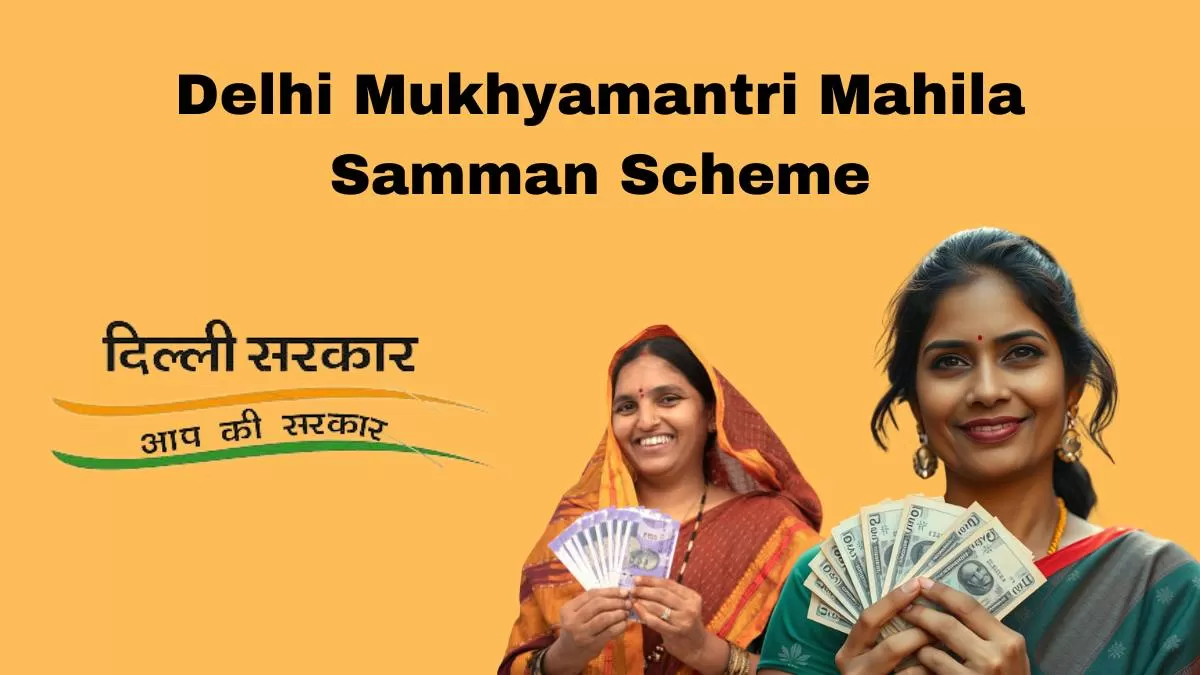
However, with the increasing reliance on digital media, misinformation spreads rapidly. Misleading announcements, particularly those involving financial incentives, can create confusion and put citizens at risk. One such instance is the circulation of claims regarding the so-called Mukhyamantri Mahila Samman Yojana, a scheme allegedly offering Rs. 2100 per month to women in Delhi.
The Role of the Department of Women and Child Development (WCD), GNCTD
The Department of Women and Child Development, Government of National Capital Territory of Delhi (GNCTD), is the nodal authority responsible for the design, implementation, and monitoring of programs aimed at the welfare of women and children.
The department undertakes initiatives to:
- Provide Social Security – Ensuring financial assistance to vulnerable women.
- Promote Gender Equality – Reducing disparities in access to education, health, and employment.
- Ensure Legal and Financial Protection – Offering guidance and support for women facing economic or social hardships.
- Monitor Implementation – Maintaining transparency and accountability in welfare programs.
Official schemes by WCD are made accessible through authorized channels, including their website and approved digital portals. Citizens can view detailed information, eligibility criteria, and application guidelines for all genuine schemes.
The Public Notice: Key Takeaways
In February 2025, the WCD issued a public notice regarding the circulation of claims by certain political entities that they were offering Rs. 2100 per month under the Mukhyamantri Mahila Samman Yojana. The notice highlighted the following critical points:
- No Scheme Exists – The Government of Delhi has not notified any scheme by the name “Mukhyamantri Mahila Samman Yojana.”
- Official Communication Channels – Any legitimate scheme will have:
- Clear eligibility guidelines
- A formal notification by WCD
- A dedicated digital portal for application submission
- Fraud Risk – Any individual or organization collecting applications or personal data under the pretense of this scheme is acting without authority.
- Data Protection Advisory – Citizens are cautioned against sharing bank details, voter ID numbers, phone numbers, residential addresses, or any sensitive information, as such information can be misused for fraud or cybercrime.
- Department’s Responsibility – WCD does not assume responsibility for frauds arising from participation in any non-existent scheme.
Understanding Misconceptions Around Mukhyamantri Mahila Samman Yojana
The term “Mukhyamantri Mahila Samman” can be misleading as it suggests government endorsement. Many citizens, especially women from lower-income households, may be motivated to respond in hopes of financial support. However, the notice clarifies that this scheme is not official, and claims of Rs. 2100 per month are fraudulent.
Miscommunication like this can:
- Create false expectations among women.
- Lead to financial loss if individuals share personal information.
- Compromise data privacy with potential identity theft or banking fraud.
- Distract citizens from accessing genuine welfare schemes.
Digital Portals & Official Channels for Government Schemes
The WCD has emphasized that any future scheme notification will include a dedicated digital portal. Citizens must rely only on:
- Official WCD Website.
- Approved Public Notices – Any scheme launch will have a formal gazette notification.
- Government Communication Channels – Emails, press releases, or official social media accounts of GNCTD.
By depending solely on authorized sources, citizens can avoid falling victim to fraudulent claims.
Risks of Fraud and Misuse of Personal Information
Sharing personal information in response to fake schemes can have severe consequences:
- Cybercrime – Hackers can exploit bank details or identification numbers.
- Banking Fraud – Unauthorized withdrawals, phishing attacks, or fraudulent loan applications.
- Identity Theft – Personal documents may be misused for illegal purposes.
- Social Vulnerability – Women, especially in rural or low-income urban areas, may face additional social pressures or harassment.
These risks underline the importance of awareness and caution before sharing sensitive information.
How Citizens Can Protect Themselves
To ensure safety and avoid exploitation, the following steps are recommended:
- Verify the Scheme – Check if the scheme is listed on the official WCD portal.
- Avoid Sharing Sensitive Information – Never provide bank account numbers, phone numbers, Aadhaar details, or residential addresses unless the scheme is verified.
- Seek Confirmation from Authorities – Contact local WCD offices for verification.
- Report Fraudulent Activity – Notify the police or cybercrime cell if someone attempts to collect money or data under false pretenses.
- Educate the Community – Spread awareness among neighbors, friends, and family about fake schemes.
Cybersecurity Awareness and Data Privacy
The prevalence of digital fraud underscores the need for cybersecurity literacy among citizens. Key measures include:
- Strong Passwords – Use unique, complex passwords for all accounts.
- Official Links Only – Avoid clicking on links received via WhatsApp, social media, or emails claiming instant benefits.
- Two-Factor Authentication – Enable wherever possible.
- Regular Monitoring – Frequently check bank statements and digital profiles for suspicious activity.
By taking these steps, citizens can protect themselves from being targets of scams.
Legal and Administrative Measures
The Government of Delhi has clearly stated that any unauthorized collection of applications under the name of Mukhyamantri Mahila Samman Yojana is illegal. Legal measures include:
- Investigation of Fraud Cases – Local authorities can file FIRs against individuals or organizations misleading the public.
- Cybercrime Prosecution – Cases involving identity theft or financial fraud fall under cyber law provisions.
- Public Awareness Campaigns – Ensuring citizens know which sources to trust.
These measures serve to deter fraudulent actors and protect citizens’ rights.
Role of Media and Social Media
While media and social platforms are vital for information dissemination, they can also accelerate misinformation. Citizens are advised to:
- Verify claims against official sources.
- Avoid sharing unverified posts that promise financial incentives.
- Follow trusted accounts, such as WCD GNCTD’s official social media pages.
Responsible media consumption is critical in preventing the spread of fraudulent schemes.
Importance of Vigilance Among Citizens
Vigilance is the first line of defense against fraud. Citizens should:
- Always question schemes that promise large sums of money without proper notification.
- Educate others in the family, especially senior women, about risks.
- Maintain documented proof of interactions with government offices.
This proactive approach minimizes risks and ensures citizens only benefit from legitimate welfare programs.