India is a country with immense diversity, but also one with historical inequalities. Among the most marginalized communities are the Scheduled Castes (SCs), who form 16.6% of the total population according to the 2011 Census. For centuries, SC communities have faced social discrimination, economic deprivation, and limited access to education and resources.
Recognizing this, the framers of the Indian Constitution made special provisions to ensure justice and equal opportunities for these communities. Despite these efforts and several government welfare schemes, the development gap between SCs and the rest of the population continues to exist.
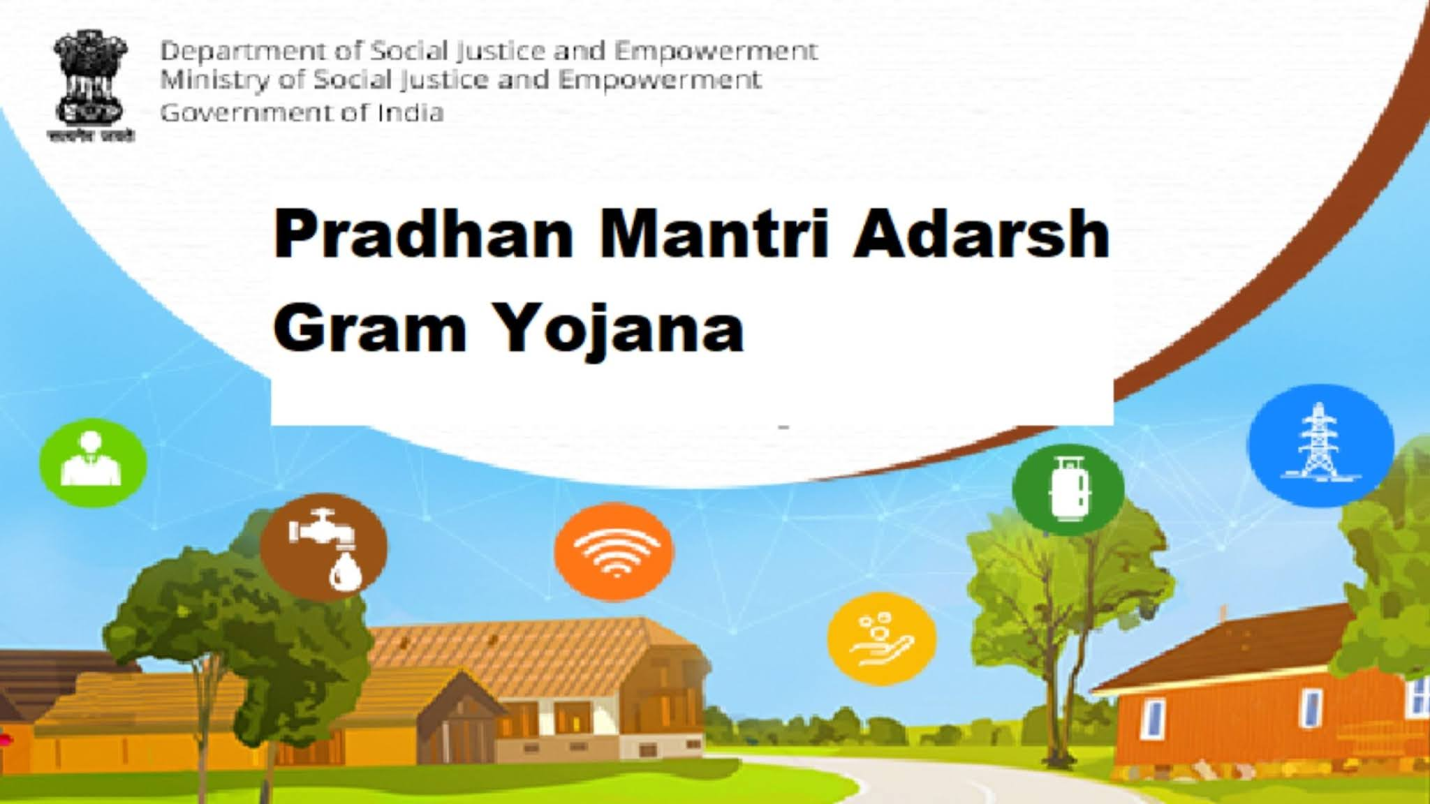
To address this gap in a more holistic and area-based manner, the Government of India launched the Pradhan Mantri Adarsh Gram Yojana (PMAGY) in 2009-10. Unlike earlier schemes that focused mainly on individuals, PMAGY emphasizes integrated village development, especially in areas where SCs form more than 50% of the population.
This scheme aims to transform these villages into “Adarsh Grams” or Model Villages—places where residents enjoy equal access to infrastructure, services, and opportunities for dignified living.
Why PMAGY Was Needed
Over the decades, several welfare programs were launched for SCs, such as scholarships, skill development schemes, and economic support programs. However, most of these were individual-focused.
The real challenge was that many SC communities live in concentrated village clusters where:
- Basic amenities are missing or inadequate.
- Education and health indicators are much lower than the national average.
- Infrastructure such as roads, electricity, clean drinking water, and sanitation is poor.
- Social discrimination limits access to government benefits.
According to the 2011 Census, there are 46,844 villages in India where more than 50% of the population belongs to SCs. These villages needed a comprehensive development strategy, not piecemeal interventions.
PMAGY was therefore conceptualized to ensure that these villages are provided with all essential facilities in a convergent manner so that the SC population there can rise to the level of the general population.
Vision of an Adarsh Gram
An Adarsh Gram (Model Village) under PMAGY is one where:
- All residents have access to quality basic services like water, sanitation, healthcare, education, housing, and electricity.
- Disparities between SCs and non-SCs in terms of opportunities, infrastructure, and living conditions are minimized.
- Every individual is able to live with dignity and self-respect.
- The environment enables residents to achieve their full potential in education, employment, and livelihood.
Objectives of PMAGY
The main objectives of the scheme are:
- Integrated Development: Ensure holistic growth of selected villages with over 50% SC population.
- Adequate Infrastructure: Provide all essential infrastructure needed for socio-economic development.
- Improved Socio-Economic Indicators: Raise key indicators like education, health, nutrition, and livelihood to at least the national average.
- Elimination of Gaps: Bridge disparities between SC and non-SC communities by addressing deficiencies.
- Saturation Approach: Ensure all eligible beneficiaries in a village are covered under relevant government schemes.
Key Focus Areas
PMAGY identifies 50 Monitorable Indicators across 10 domains, which act as benchmarks for development.
1. Drinking Water and Sanitation
- Every household has access to safe drinking water.
- Universal coverage of toilets and elimination of open defecation.
2. Education
- All children complete at least secondary education.
- Infrastructure like schools, classrooms, teachers, and digital learning tools.
3. Health and Nutrition
- Availability of health sub-centres, doctors, and medicines.
- Reduction in infant and maternal mortality rates.
- Elimination of malnutrition, especially among women and children.
4. Social Security
- SC families have access to pensions, insurance, and government welfare programs.
5. Rural Roads and Housing
- All-weather roads connecting the village to nearby towns.
- Affordable and safe housing for all SC families.
6. Electricity and Clean Fuel
- 100% households connected with electricity and clean cooking fuel (LPG/biogas).
7. Agricultural Practices
- Improved farming methods, irrigation facilities, and access to markets.
- Training on modern agricultural techniques.
8. Financial Inclusion
- Every family has a bank account.
- Access to loans, credit facilities, and insurance schemes.
9. Digitization
- Villages connected through digital infrastructure like internet, e-governance, and mobile services.
10. Livelihood and Skill Development
- Vocational training centers for youth.
- Promotion of self-help groups, entrepreneurship, and job opportunities.
Approach and Strategy
The success of PMAGY lies in convergence—pooling resources from multiple schemes to achieve integrated development.
- Convergence of Schemes
- Use funds from Central and State schemes to saturate infrastructure and service needs.
- For example: MGNREGS for rural roads, PMAY for housing, Jal Jeevan Mission for drinking water.
- Gap-Filling Funds
- If some needs are not covered under existing schemes, PMAGY provides additional funds called Gap-Filling.
- These are meant only for community-based infrastructure and not for recurring expenses.
- Timeframe
- Development work under PMAGY is to be completed within 2 years of fund release.
- Monitoring of socio-economic indicators continues for 5 years (2+3 model).
Components of the Scheme
PMAGY has two main components:
1. Convergence of Schemes
- Different government schemes (Central + State) are pooled to cover development needs.
- The baseline survey identifies gaps, which are then matched with suitable schemes.
2. Gap-Filling
- For needs that cannot be met through any existing scheme.
- Rs. 20 lakh per new village is provided for this purpose.
- Only non-recurring, community-use projects are allowed under this fund.
Village Development Plan (VDP)
The Village Development Plan is the backbone of PMAGY.
Steps to Prepare VDP:
- Needs Assessment: A household-level survey is conducted to identify gaps.
- Data Collection: Information is gathered under various formats for infrastructure and family needs.
- Draft VDP: Consolidates infrastructure and individual needs.
- Approval by Gram Sabha: Ensures democratic participation.
- District-Level Approval: Final check for feasibility and convergence.
- Integration with GPDP: VDP is merged with Gram Panchayat Development Plan for execution.
Selection of States and Villages
- As per 2011 Census, there are 46,844 villages with more than 50% SC population.
- Only villages with a population of 500 or more are eligible.
- Villages are selected in descending order of SC population percentage.
- In the pilot phase (2009-10), 1,000 villages were covered across 5 states.
- Later, in 2014-15, another 1,500 villages were added.
Funding Pattern
- Rs. 21 lakh per village for new villages:
- Rs. 20 lakh for Gap-Filling.
- Rs. 1 lakh for administrative expenses like training, awareness, and MIS.
- Funds for continuous development:
- Rs. 10 lakh per village in subsequent rounds.
- Rs. 9.5 lakh for gap-filling and Rs. 0.5 lakh for admin expenses.
- Convergence Expectation: States are expected to pool 3-4 times more funds from other schemes to saturate development needs.
Flow of Funds
- Central Government releases funds to States/UTs in two installments.
- First Installment (50%): Released immediately after selection of villages.
- Used for training, awareness, needs assessment, and preparation of VDP.
- Second Installment (Remaining): Released after Gram Sabha approval of the VDP.
- Used for actual implementation of development works.
Implementation and Monitoring
- Village Level: PMAGY Convergence Committee prepares VDP.
- District Level: District Convergence Committee monitors execution.
- State Level: Ensures convergence of Central and State schemes.
- National Level: Ministry of Social Justice & Empowerment reviews progress.
Regular monitoring of indicators ensures accountability and transparency.
Expected Outcomes
- SC-majority villages transformed into model villages.
- Reduced disparities between SC and non-SC communities.
- Improvement in education, health, and livelihood indicators.
- Empowered SC communities with better access to infrastructure.
- Sustainable development through community participation and convergence.